
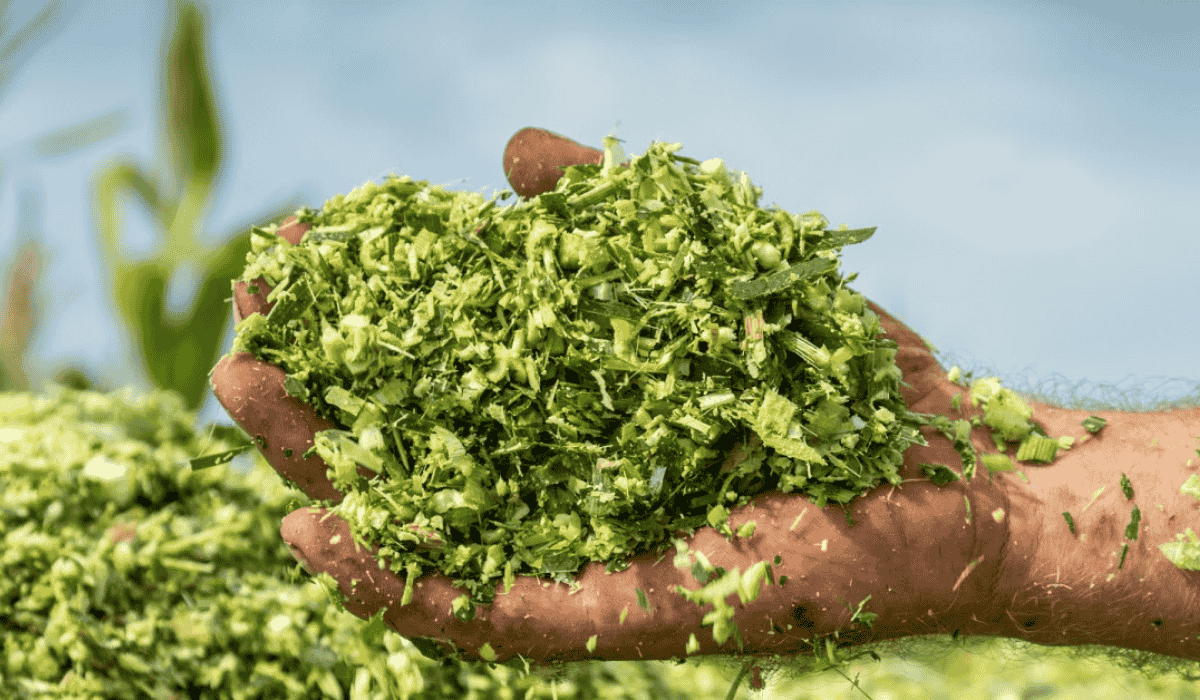
Maize silage baling is the process
of converting freshly harvested corn fodder into compact, airtight bales for
long-term preservation. After harvesting, the maize is chopped, compressed into
dense round or square bales, and tightly wrapped with multiple layers of
stretch film. This wrapping creates a sealed, oxygen-free environment that is
essential for proper silage fermentation.
Unlike traditional bunker or pit
silage—where fodder is exposed to air every time the silage face is opened—each
silage bale is a self-contained ecosystem. This anaerobic (oxygen-free)
condition allows a beneficial fermentation process, preserving nutrients while
minimizing spoilage. As a result, maize silage baling locks in energy,
proteins, and digestibility far more effectively than traditional hay, making
it a game-changer for modern dairy and beef operations.
Why
Maize Silage Is Ideal for Baling
Maize is regarded as one of the
 top crops for silage production due to its inherent nutritional and agronomic
benefits:
top crops for silage production due to its inherent nutritional and agronomic
benefits:
When maize silage is expertly baled and wrapped, it
preserves its nutritional value for several months. This process directly
contributes to increased milk production, enhanced animal health, and improved
feed efficiency.
Step-by-Step
Process of Corn Silage Baling
1. Harvesting at the Right
Stage
Maize should be harvested when the
dry matter content is typically between 30% and 35%. Harvesting at the correct
maturity ensures optimal fermentation, better compaction, and superior feed
quality.
2. Chopping the Fodder
The harvested crop is chopped into
small, uniform pieces. Correct chop length is critical, as it improves bale
density, fermentation quality, and digestibility for livestock.
3. Baling
The chopped maize is fed into a
silage baler, where it is compressed under high pressure to remove as much air
as possible. Higher bale density directly results in better fermentation and
reduced dry matter losses.
4. Wrapping
Each bale is wrapped with multiple
layers of UV-stabilized stretch film. This airtight seal prevents oxygen entry
and creates the anaerobic conditions required for silage fermentation.
5. Fermentation and Storage
Bales are stored for 30 to 45 days
to allow fermentation to stabilize. Once sealed, they can be stored outdoors on
a firm, well-drained surface with minimal nutrient loss.
Key
Benefits of Maize Silage Baling
1. Reduced Feed Losses:
Traditional silage pits often
experience spoilage at the top and sides due to exposure to air. In
contrast, baled silage substantially minimizes waste, as each
bale remains airtight until it is opened.
2. Flexible Storage:
Silage bales do not require
permanent storage structures. They can be stored near feeding areas, reducing
handling time, transport effort, and labour costs.
3. Consistent Feed Quality
Each bale represents a uniform
feed unit, ensuring consistent nutrition for livestock throughout the year.
4. Labor and Time Savings:
Fully automatic and semi-automatic
baling systems minimize manual labour and speed up the entire silage-making
process.
5. Suitable for Small and Large
Farms:
Maize silage baling offers
remarkable scalability, making it an ideal solution for both small
dairy farmers and large commercial livestock operations.
Why
Choose Baling Over Pit Silage?
Switching from pit silage to baled
silage  offers several strategic advantages, particularly for medium-sized farms
and fodder sellers.
offers several strategic advantages, particularly for medium-sized farms
and fodder sellers.
1. Superior Quality and Minimal
Spoilage
In traditional pits, dry matter
losses can range from 15% to 25% due to inadequate compaction
and exposure to air. However, baled silage significantly reduces these losses
to nearly zero. Each bale is individually wrapped, allowing only the necessary
amount to be opened, while keeping the remaining fodder fresh and well-protected.
2. Portability and
Marketability
Silage pits are fixed and cannot
be easily divided or sold. Baled maize silage, however, is portable and
tradable. Bales can be transported, sold to neighbouring farms, or moved across
the farm without compromising quality.
3. Better Space Management
Baling eliminates the need for
expensive concrete bunkers or pits. Bales can be stored on any suitable
surface, allowing more flexible farm layouts and better land utilization.
4. Precision Feeding
Each bale has a relatively
consistent weight, typically ranging from 700 to 800 kg. This makes ration
planning and Total Mixed Ration (TMR) calculations more accurate and easier to
manage.
Is
Maize Silage Baling Profitable?
Yes. While there is an initial
investment in silage baling equipment or custom baling services, the long-term
benefits outweigh the costs. Reduced spoilage, improved milk yield, lower labour
requirements, and better feed control make maize silage baling a highly
cost-effective solution.
Many farmers report noticeable
improvements in herd performance and overall farm profitability after
transitioning from traditional pit silage to baled silage.
Maize or corn silage baling is a
smart, modern approach to fodder preservation. It combines efficiency,
flexibility, and consistent feed quality, making it well-suited for today’s
livestock farming challenges. Whether you manage a small dairy farm or a large-scale
commercial operation, maize silage baling can significantly improve feed
management and long-term profitability.
By selecting the right baler and
adhering to proper silage-making practices, farmers can optimize their return
on investment and ensure a reliable, high-quality fodder supply throughout the
year.